Top 10 Apps to Learn Japanese in 2025 (Free & Paid Options)
When I started blogging 15 years ago, finding reliable tools to learn a new language was tough. Fast forward to today, and the situation couldn’t be more different. With smartphones and AI-driven apps, learning Japanese has become more accessible than ever.
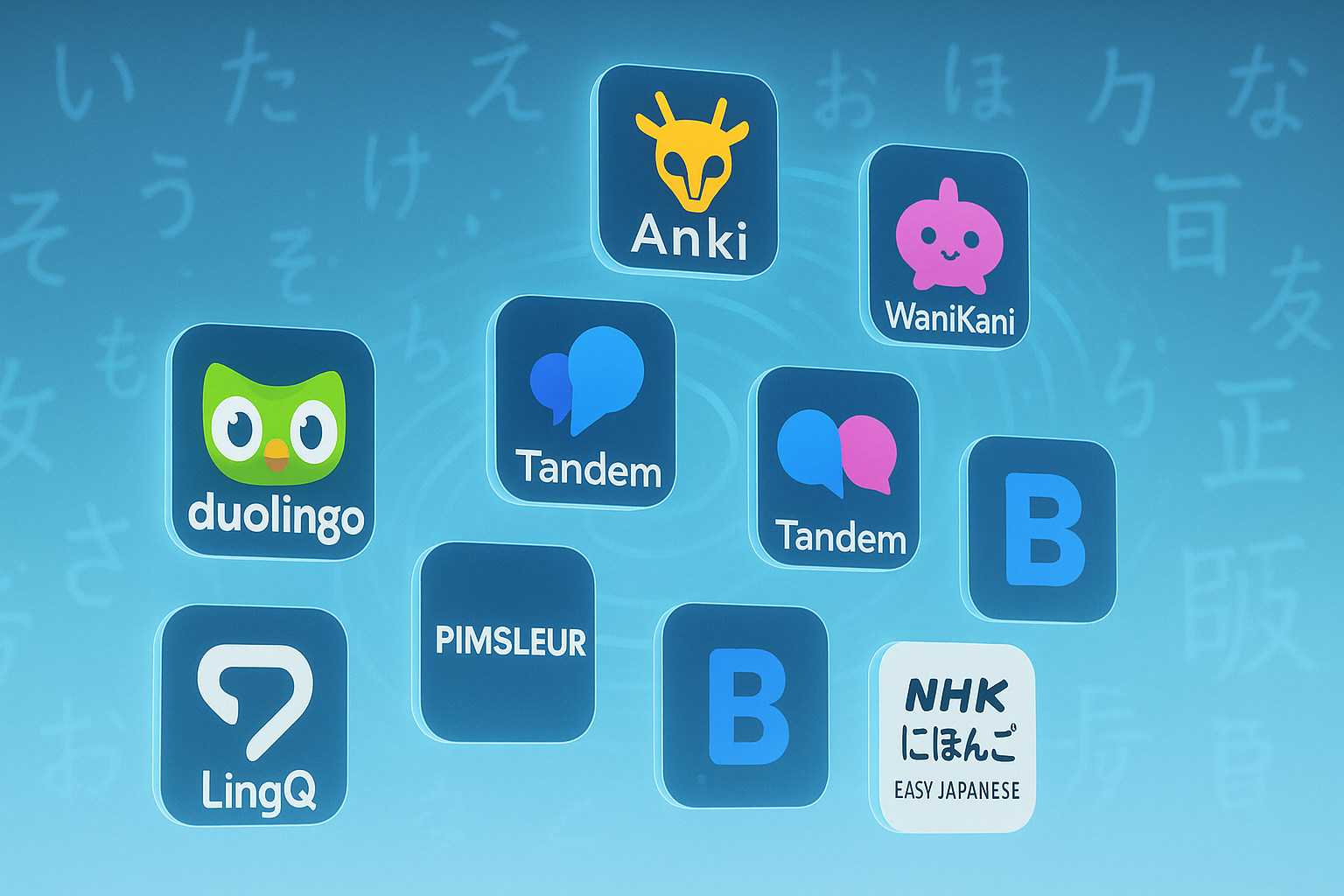
But with so many options, which apps are actually worth your time? In this post, I’ll share the top 10 apps to learn Japanese in 2025—tested, trusted, and ranked by effectiveness.
And if you’re just beginning, don’t forget to check out our guide on How to Learn Japanese Fast for practical study strategies.
1. Duolingo (Best for Beginners)
-
✅ Free, with premium upgrade.
-
Focuses on bite-sized lessons and gamified learning.
-
Great for daily practice, though limited in depth.
2. LingoDeer (Built for Asian Languages)
-
Designed specifically for Japanese, Korean, and Chinese.
-
Covers grammar better than most apps.
-
Great balance of reading, writing, listening, and speaking.
3. Anki (Best Flashcard App)
-
Uses spaced repetition (SRS) to help you remember words long-term.
-
Perfect for Hiragana, Katakana, and Kanji practice.
-
Customizable decks made by the Japanese learning community.
4. WaniKani (Best for Kanji)
-
Teaches Kanji systematically with mnemonics.
-
Great for serious learners who want to read Japanese.
-
Paid app, but worth it if Kanji is your focus.
👉 Pro Tip: If Kanji feels overwhelming, first review our post on 10 Amazing Benefits of Learning Japanese to remind yourself why this journey is worth it.
5. HelloTalk (Best for Real Conversations)
-
A social app that connects you with native Japanese speakers.
-
Practice via text, voice, or even video calls.
-
Perfect for building confidence in speaking Japanese.
6. Tandem (Best for Language Exchange)
-
Similar to HelloTalk but more structured.
-
Lets you find partners based on your goals (casual chat, study partner, tutor).
-
Great for people who want accountability.
7. LingQ (Immersion-Based Learning)
-
Helps you learn Japanese by reading real articles, listening to podcasts, and watching videos.
-
Focuses on context-based learning instead of isolated vocabulary.
8. Pimsleur (Best for Listening & Speaking)
-
Audio-based lessons ideal for learning on the go.
-
Builds strong listening comprehension and speaking fluency.
-
Paid, but extremely effective if you’re busy.
9. Busuu (Best for Structured Courses)
-
Combines vocabulary, grammar, and conversation practice.
-
Includes exercises reviewed by native speakers.
-
Great if you like a guided course approach.
10. NHK Easy Japanese (Best Free Resource)
-
Official NHK app offering free audio lessons and reading practice.
-
Designed for beginners but useful for intermediate learners too.
👉 You can also check out NHK’s Learn Japanese Portal for direct resources.
Which App Should You Start With?
If you’re a complete beginner: Start with Duolingo or LingoDeer.
If you’re serious about Kanji: Use WaniKani + Anki.
If your goal is conversation: Choose HelloTalk or Tandem.
And if you want to learn faster, combine apps with structured study. At Yuyan Language, we guide learners through personalized courses. 👉 Explore our Japanese Courses.
FAQs About Learning Japanese with Apps
Q1: Can I become fluent with just apps?
Not fully. Apps are great for building vocabulary and confidence, but structured lessons and real conversation are essential.
Q2: What’s the best free app to learn Japanese?
Duolingo and NHK Easy Japanese are the best free options.
Q3: How long should I use these apps daily?
Aim for 20–30 minutes a day. Consistency beats cramming.
Q4: Are paid apps worth it?
Yes, if you’re serious about learning. Apps like WaniKani and Pimsleur offer depth that free apps can’t match.
Q5: Should I use one app or multiple apps?
Use at least two: one for grammar/vocab (LingoDeer, Duolingo) and one for Kanji or conversation (Anki, HelloTalk).
Conclusion
There’s no single “best app” to learn Japanese—each has strengths depending on your goals. The trick is to combine the right apps with consistent practice.
And remember, apps alone won’t make you fluent. Pair them with real-world practice, courses, and cultural immersion. Ready to take the next step? 👉 Contact Us and let’s design your Japanese learning plan together.